Alice in Wonderland: “Wokery,” Gender Stereotypes, and Definitions
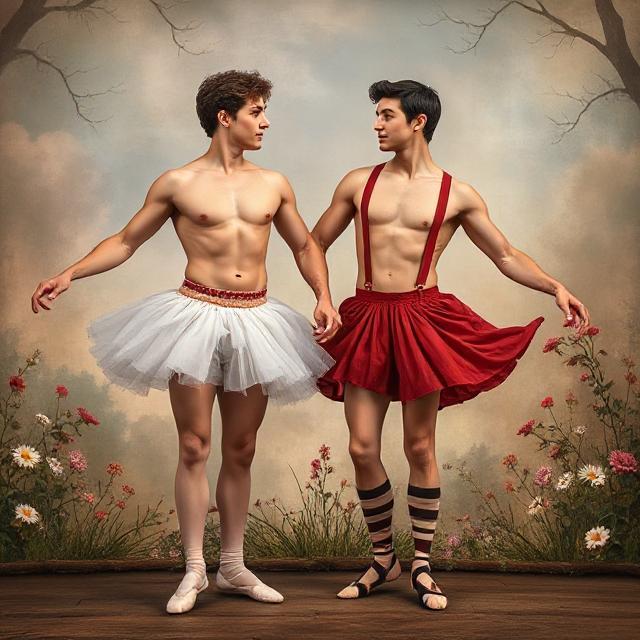
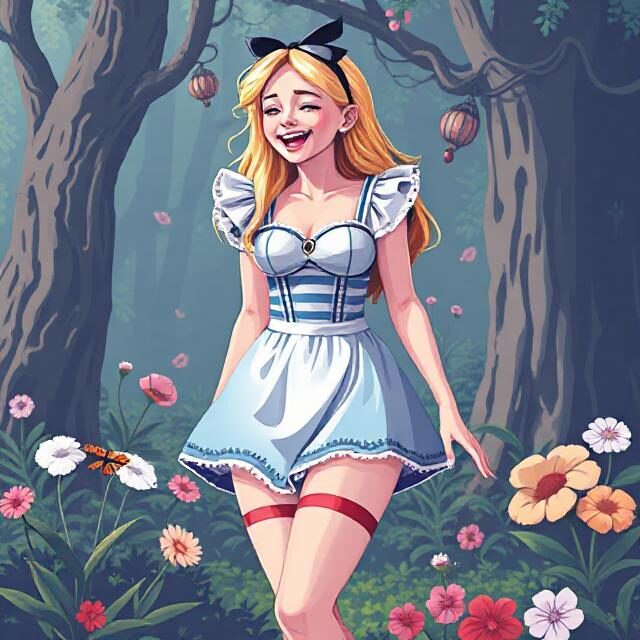
Depictions of Alice—whether in her classic, whimsical surroundings or in more modern, stylized interpretations—carry multiple layers of meaning. Lewis Carroll’s original story has long been celebrated for its imaginative logic and playful absurdity, yet contemporary readings often highlight themes of gender, identity, and social norms. Discussions of “wokery” and gender stereotypes invite us to examine how Alice’s character challenges societal expectations, and how modern reinterpretations—ranging from playful to provocative imagery—interact with these themes.
These interpretations can feel entirely natural in the context of Wonderland’s whimsical world, or they can seem unusual or even jarring when viewed through a modern lens. Yet even these more unconventional readings can offer positive insights and spark meaningful discussion.
With this in mind, we can consider a few key themes when exploring "wokery" and gender stereotypes in Alice in Wonderland:
(a) Subversion of Traditional Roles:
Alice herself can be seen as a character who subverts traditional gender roles. She is curious, assertive, and often challenges the absurdity of the world around her, which contrasts with the expectations of women during the Victorian era when Lewis Carroll wrote Alice's Adventures in Wonderland. This can be viewed in light of contemporary discussions about gender identity and the expectation of behavior based on one's gender. This subversion is further reinforced by Alice’s tendency to question authority, the characters she encounters—like the Queen of Hearts or the Mad Hatter—often reflect absurd authority figures who uphold rigid societal norms. Alice's resistance to their arbitrary rules can be likened to modern critiques of patriarchal structures and the questioning of established power dynamics in society.
(b) Fluidity and Identity:
The dreamlike nature of Wonderland allows for a fluidity of identity that can resonate with modern ideas about gender non-conformity. The bizarre transformations and challenges Alice faces may mirror the experiences of those navigating gender identity beyond traditional binaries. At the same time, the nonsensical elements of the story act as a critique of rigid sensibilities, suggesting that societal expectations and stereotypes—whether about gender or other identities—are ultimately arbitrary and constructed.
(c) Empowerment through Discovery:
Alice's journey is one of self-discovery, much like discussions in contemporary gender discourse that emphasize personal agency and the importance of finding one's identity in a world that often imposes stereotypes. These themes highlight how Alice's Adventures in Wonderland can be seen as more than just a children’s story; it can also serve as a complex commentary on gender roles and identity, inviting readers to reflect on the absurdities of societal expectations, much like contemporary discussions around "wokery" and gender.
What is Woke virtue signaling?
It refers to the act of expressing opinions or taking actions that are intended to showcase one's social awareness or progressive beliefs, particularly in relation to social justice, equality, and political correctness. The term "woke" originates from African American Vernacular English (AAVE) and denotes a heightened awareness of social injustices, particularly those affecting marginalized communities.
Critics of "woke virtue signaling" argue that some individuals or organizations may publicly endorse progressive causes not out of genuine commitment to these issues, but rather as a way to earn social approval or enhance their reputation. This can involve posting about social justice on social media, supporting certain movements, or adopting inclusive language, all while failing to take substantive action that aligns with those expressed values.
Supporters of social justice and "woke" movements, on the other hand, argue that raising awareness and demonstrating solidarity is important for promoting change and fostering an inclusive society.
The term often has a negative connotation and is used pejoratively to suggest inauthenticity or self-serving motives.
Other Wokery